PR – Grenadians, who make a living by fishing, are said to be scared of venturing out at sea because of United States military strikes on boats in the Caribbean that have killed at least 32 people.
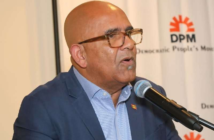
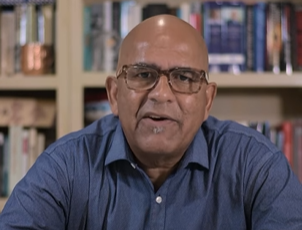
“Our fishermen are telling me they’re afraid to go far from shore. US military operations near Venezuela have them worried about being in the wrong place at the wrong time,’’ Independent MP Peter David said in a video report this week.
The American government claims that the strikes are part of an offensive against the drug trade.
However, US President Donald Trump and other government officials have provided few details, such as how much alleged drugs the targeted vessels were carrying, or what specific evidence they had to suggest they were carrying drugs.
President Trump also has reiterated plans to strike targets on the ground inside Venezuela.
“We’ll probably go back to Congress and explain exactly what we’re doing when we come to the land,’’ Trump said Wednesday.
David, Member of Parliament for the Town of St George, noted that in a one-month period, there have “three bombshells’’ around the America action and US/Grenada relations.
Yet, information and clarity on the situation have not been forthcoming from Prime Minister Dickon Mitchell’s administration in Grenada, said David.
“One month. Three bombshells. Zero clarity. There are reports about military equipment being placed at our airport. Now there are rumors about the US requesting that Grenada accept deportees — third-country nationals being removed from America,’’ said David, who also is leader of D Movement, a soon-to-be launched political party.
“Some reports say financial incentives are being offered. Others mention prison construction. But, we don’t know what’s true because our government hasn’t addressed it publicly.’’
The current situation, David added, is compounded by a recent US decision banning Grenadian fish imports to the United States, starting January 2026.
“In two months, we face a US import ban that puts EC$30 million in fish exports at risk. Three separate issues; one common thread: Grenadians left to wonder what’s really happening,’’ said David, a former Minister of Foreign Affairs, Tourism and Agriculture.
“Let me be clear — I’m not saying our government is making wrong decisions. I’m saying our people deserve to know what decisions are being considered, and to be part of the conversation before those decisions are made.’’
According to David, Grenadians ought not to be treated as “bystanders’’ on these matters that involve “sovereignty, security and survival’’.
“They’re about who we are as a nation and how we relate to larger powers in our region. Small-island nations face complex choices. We understand that. But we’re also democracies,’’ argued David, who also questioned, “why transparency takes so long and consultation happens so rarely’’ in Grenada, Carriacou and Petite Martinique.
“In a democracy, major decisions about national direction shouldn’t be mysteries to the citizens they affect most. When the US makes requests — whether for military cooperation, deportee acceptance, or anything else — our government should tell us what’s being asked, what’s being considered, and give us a voice in the response,’’ David said.
“Our fishermen shouldn’t have to operate in fear and uncertainty. Our citizens shouldn’t have to rely on rumours about deportee policies. Our people shouldn’t be waiting weeks for promised statements on military cooperation. Transparency isn’t a luxury in governance. It’s a requirement. And consultation isn’t a courtesy — it’s what democracy looks like in practice.’’
The nation’s people are “partners in shaping Grenada’s future’’, said David, a lawyer by profession.
“Citizens deserve a voice in decisions that affect their country. Uncertainty shouldn’t be the price of citizenship in a democracy,’’ David said.
“This isn’t complicated. Our government works for us. They were elected to represent our interests and keep us informed about decisions that affect our lives. That’s not a new idea; it’s the foundation of democracy. When major decisions are being made about our sovereignty, our security, our economy — we have a right to know what’s happening. Not as a favor; but, as citizens.’’